

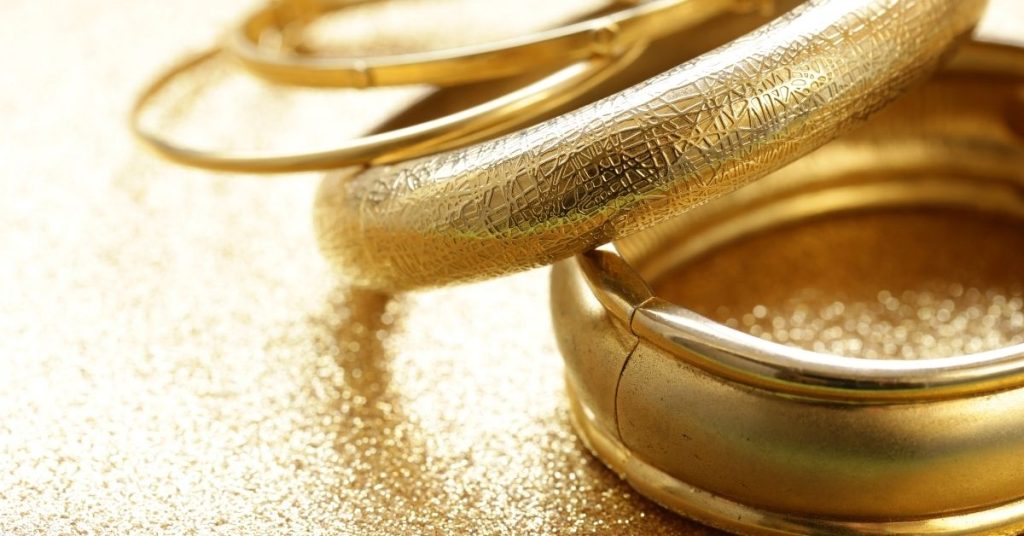
Jewelry has always carried meaning beyond adornment. From ancient civilizations to contemporary fashion, it reflects identity, emotion, status, and artistry. Today’s jewelry market blends tradition with innovation, offering pieces that suit personal style, cultural heritage, and everyday wear.
The Evolution of Jewelry Through History
Jewelry dates back thousands of years, originally crafted from natural materials such as shells, bones, and stones. Over time, metals and gemstones transformed jewelry into symbols of wealth, spirituality, and power.
Key historical milestones include:
-
Ancient civilizations using jewelry for rituals and social rank
-
Medieval eras emphasizing gemstones and religious symbolism
-
Modern times focusing on design diversity and accessibility
This evolution shaped jewelry into both a functional accessory and an art form.
Types of Jewelry and Their Purpose
Jewelry can be classified based on where it is worn and how it is used. Each type serves a unique aesthetic and emotional role.
Common Jewelry Categories
-
Necklaces – Accent the neckline and enhance outfits
-
Rings – Symbolize commitment, milestones, or personal style
-
Earrings – Add balance and elegance to facial features
-
Bracelets & Bangles – Provide subtle or bold wrist adornment
-
Anklets & Brooches – Decorative pieces with cultural roots
Materials Used in Jewelry Making
The choice of material defines durability, appearance, and value. Modern jewelers combine classic metals with contemporary alternatives.
Popular Jewelry Materials
-
Gold – Timeless, corrosion-resistant, and highly valued
-
Silver – Versatile, affordable, and elegant
-
Platinum – Durable, hypoallergenic, and rare
-
Gemstones – Diamonds, rubies, sapphires, and emeralds
-
Alternative materials – Stainless steel, resin, titanium
Each material offers a balance between aesthetic appeal and practicality.
Jewelry Craftsmanship and Design Techniques
Craftsmanship determines the quality and longevity of jewelry. Skilled artisans use techniques passed down through generations while incorporating modern technology.
Notable techniques include:
-
Hand fabrication for detailed, one-of-a-kind pieces
-
Casting for precision and consistency
-
Stone setting to enhance gemstone brilliance
-
Engraving for personalization and texture
Attention to detail ensures every piece remains durable, wearable, and visually refined.
Choosing Jewelry for Everyday and Special Occasions
Selecting jewelry depends on lifestyle, personal taste, and occasion. The right piece complements rather than overpowers.
Practical Selection Tips
-
Choose minimal designs for daily wear
-
Opt for statement pieces during formal events
-
Match metal tones with skin undertones
-
Prioritize comfort alongside appearance
Well-chosen jewelry enhances confidence and completes an outfit effortlessly.
Caring for Jewelry to Preserve Its Beauty
Proper care keeps jewelry looking new for years. Different materials require different maintenance approaches.
Basic care guidelines:
-
Store pieces separately to avoid scratches
-
Clean gently using appropriate solutions
-
Remove jewelry before heavy physical activity
-
Avoid prolonged exposure to chemicals
Regular care protects both sentimental and monetary value.
The Growing Appeal of Ethical and Sustainable Jewelry
Consumers increasingly value transparency and sustainability. Ethical jewelry focuses on responsible sourcing and fair labor practices.
This shift includes:
-
Conflict-free gemstones
-
Recycled precious metals
-
Environmentally conscious production
Sustainable choices allow wearers to enjoy beauty without compromising values.
FAQs About Jewelry
What is the best metal for sensitive skin?
Hypoallergenic metals like platinum, titanium, and high-quality gold are ideal for sensitive skin.
How can I tell if jewelry is genuine?
Look for hallmark stamps, professional appraisals, and certifications for metals and gemstones.
Is handmade jewelry more valuable than machine-made?
Handmade jewelry often carries higher artistic value due to craftsmanship, though value also depends on materials used.
How often should jewelry be professionally cleaned?
Once or twice a year is recommended, especially for gemstone jewelry.
Can jewelry be worn every day?
Yes, but durable metals and simple designs are best suited for daily wear.
What factors affect jewelry pricing?
Material quality, gemstone rarity, craftsmanship, and brand reputation all influence price.
How should jewelry be stored long-term?
Store in a dry, padded container with individual compartments to prevent damage.


More Stories
The Information A Report On Your Coloured Gems Will Provide
Flawless and Elegant Bridal Jewelry
The Luxury And Elegance Of Vintage Jewelry