

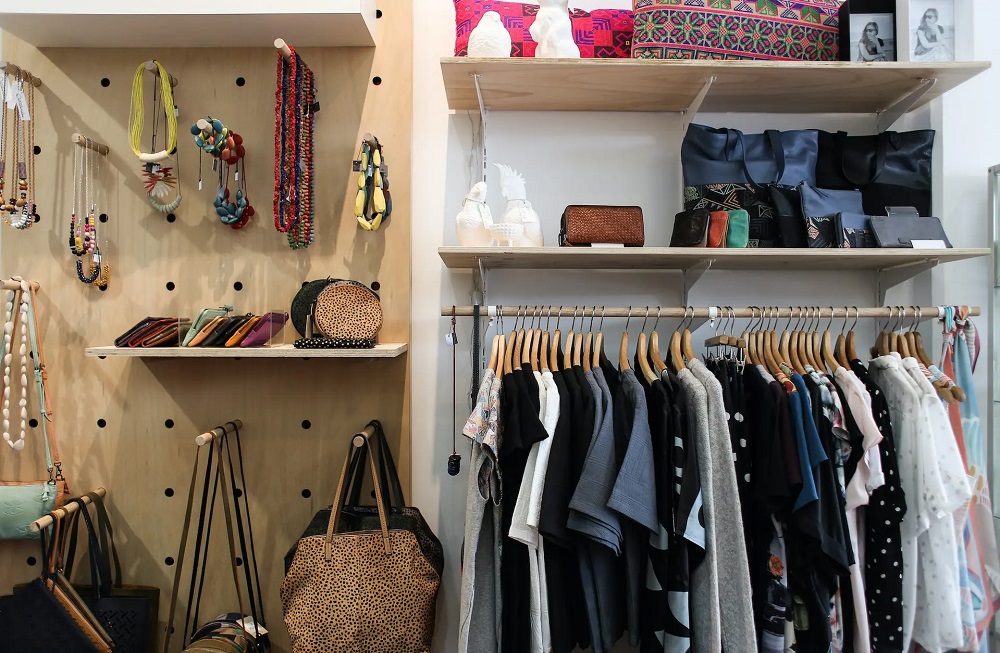
Introduction to Clothing
Clothing is more than a basic human necessity. It reflects culture, personality, climate, profession, and lifestyle. From traditional garments to modern fashion, clothing plays a vital role in protection, self-expression, and social identity.
Over time, apparel has evolved alongside technology, materials, and global fashion movements, making clothing both functional and expressive.
Types of Clothing
Clothing can be categorized based on purpose, style, and usage. Understanding these categories helps in building a balanced wardrobe.
Casual Clothing
Designed for comfort and everyday wear, casual clothing is relaxed and versatile.
Common examples include:
-
T-shirts and tops
-
Jeans and chinos
-
Casual dresses
-
Hoodies and sweatshirts
Formal Clothing
Formal wear is typically worn in professional or ceremonial settings.
Key items include:
-
Suits and blazers
-
Dress shirts and trousers
-
Formal gowns
-
Tailored skirts
Traditional and Cultural Clothing
These garments represent heritage and regional identity. They are often worn during festivals, rituals, or special occasions and vary widely across cultures.
Sports and Activewear
Activewear focuses on flexibility, breathability, and performance.
Popular options include:
-
Athletic shorts and leggings
-
Moisture-wicking tops
-
Tracksuits
Clothing Fabrics and Materials
The fabric determines comfort, durability, and appearance. Choosing the right material is essential for both style and practicality.
Natural Fabrics
-
Cotton – Soft, breathable, and ideal for daily wear
-
Wool – Warm, durable, and suitable for cold climates
-
Silk – Luxurious, smooth, and lightweight
-
Linen – Cool, airy, and perfect for summer
Synthetic Fabrics
-
Polyester – Wrinkle-resistant and long-lasting
-
Nylon – Strong, lightweight, and flexible
-
Spandex – Stretchable and commonly used in activewear
Seasonal Clothing Choices
Clothing choices change with weather conditions and temperature.
Summer Clothing
-
Lightweight fabrics
-
Light colors
-
Loose-fitting designs
Winter Clothing
-
Layered outfits
-
Insulated jackets and coats
-
Thermal innerwear
Transitional Seasons
Spring and autumn clothing focuses on adaptability, often combining light layers with breathable fabrics.
Fashion Trends in Clothing
Fashion trends influence how clothing is designed and worn. Current trends often emphasize:
-
Sustainability and eco-friendly fabrics
-
Minimalist designs
-
Neutral and earthy color palettes
-
Comfortable yet stylish silhouettes
Trends may change quickly, but timeless basics remain essential in every wardrobe.
How to Choose the Right Clothing
Selecting the right clothing involves balancing comfort, style, and functionality.
Consider the following factors:
-
Fit – Proper fitting enhances appearance and comfort
-
Purpose – Match clothing to the occasion
-
Fabric – Choose materials suitable for the climate
-
Personal Style – Wear what reflects your personality
Clothing Care and Maintenance
Proper care extends the life of clothing and maintains its appearance.
Helpful tips include:
-
Read care labels carefully
-
Wash similar colors together
-
Avoid excessive heat while drying
-
Store garments properly to prevent damage
Sustainable Clothing Practices
Sustainable clothing focuses on reducing environmental impact and promoting ethical production.
Key practices include:
-
Buying durable, high-quality garments
-
Choosing eco-friendly fabrics
-
Supporting ethical brands
-
Recycling or donating old clothes
Conclusion
Clothing is a powerful combination of function, fashion, and identity. By understanding types, fabrics, trends, and care methods, individuals can make smarter choices that enhance comfort, confidence, and sustainability. A thoughtful approach to clothing not only improves personal style but also supports responsible consumption.
Frequently Asked Questions (FAQs)
1. What is the main purpose of clothing?
The primary purpose of clothing is protection, but it also serves as a form of self-expression and cultural identity.
2. How can I build a versatile wardrobe?
Focus on neutral colors, classic styles, and mix-and-match pieces that work for multiple occasions.
3. Which fabric is best for sensitive skin?
Natural fabrics like cotton and silk are generally best for sensitive skin due to their breathability and softness.
4. How often should clothing be replaced?
Clothing should be replaced when it shows signs of wear, poor fit, or no longer serves its intended purpose.
5. What makes clothing sustainable?
Sustainable clothing uses eco-friendly materials, ethical production methods, and promotes long-term use.
6. How can I keep clothes looking new for longer?
Proper washing, correct storage, and avoiding excessive heat can significantly extend garment life.
7. Is fashion more about trends or personal style?
While trends influence fashion, personal style plays a more important role in long-term satisfaction and confidence.



More Stories
Dressed to empower – How do sheath dresses boost confidence?
Perfect Destination for Indian and Pakistani Clothes in the UK
Tips For Buying Your Children’s Summer Clothing