

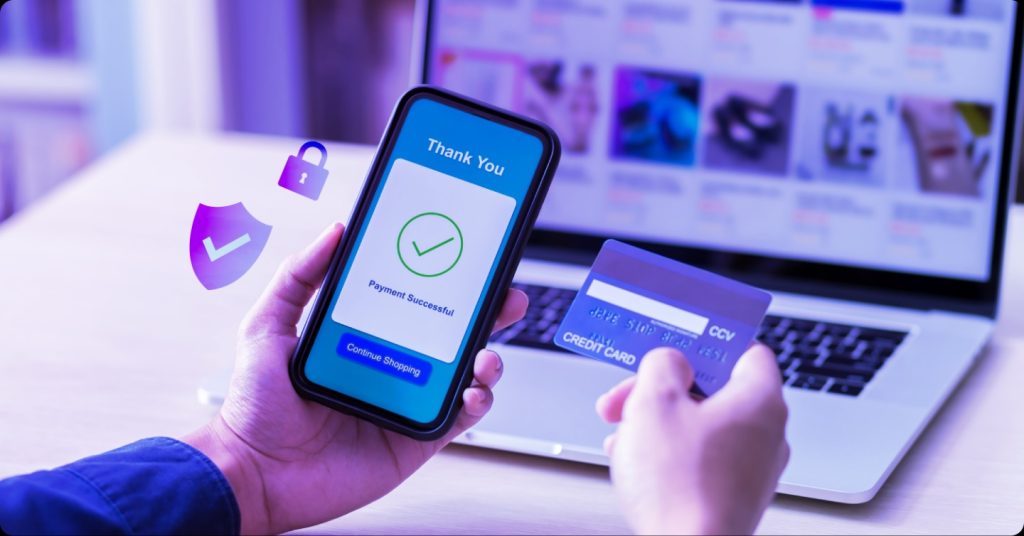
The explosion of e-commerce has fundamentally changed how people purchase goods and services. With just a few clicks, consumers can order almost anything online—from groceries to electronics—without leaving their homes. However, this digital convenience comes with one of the most significant challenges in the modern economy: payment security. Online shopping and digital payment security measures have become central to consumer confidence and business integrity. As cyber threats continue to evolve, both shoppers and online retailers must adapt by implementing stronger safeguards to protect sensitive financial data.
Today, secure digital payments are the backbone of successful e-commerce platforms. Customers expect not only convenience but also protection against fraud, identity theft, and unauthorized transactions. Understanding how payment systems work, what risks exist, and how security technologies mitigate those risks is essential for anyone participating in the online marketplace.
The Growing Need for Digital Payment Security
The global shift toward cashless transactions has accelerated rapidly, driven by convenience, mobile technology, and the increasing sophistication of payment gateways. Yet, this growth also creates more opportunities for cybercriminals. Hackers target vulnerabilities in online systems, stealing payment details, personal data, and login credentials.
E-commerce websites store sensitive customer information such as credit card numbers, billing addresses, and authentication details. Without robust security measures, this data becomes a prime target for cyberattacks. The increasing frequency of data breaches highlights the urgent need for enhanced online payment protection.
As digital transactions grow in volume and complexity, businesses must deploy cutting-edge security protocols to ensure data integrity and user trust.
Common Threats in Online Shopping Transactions
1. Phishing Attacks
Phishing remains one of the most prevalent threats in digital commerce. Cybercriminals impersonate legitimate businesses through fake emails, websites, or pop-ups designed to trick users into revealing their financial information. These scams often mimic well-known brands, complete with authentic-looking logos and layouts, making them difficult to detect.
To mitigate phishing risks, customers should always verify URLs, avoid clicking suspicious links, and use direct website access when making payments.
2. Identity Theft
When personal and financial details fall into the wrong hands, criminals can use them to commit fraud or unauthorized purchases. Data leaks, weak passwords, or unsecured Wi-Fi networks are common gateways for identity theft.
Effective identity protection involves using encrypted payment systems, two-factor authentication, and regularly monitoring account statements for irregular activity.
3. Malware and Ransomware
Malicious software can infect devices and intercept data as users input payment details. Keyloggers and spyware are particularly dangerous, as they record every keystroke made on infected systems, capturing sensitive login information.
Installing reputable antivirus software, avoiding public Wi-Fi for payments, and keeping operating systems updated are critical defense strategies.
4. Fake E-Commerce Platforms
Fraudulent websites often pose as legitimate stores, enticing consumers with discounts or limited-time deals. Once payment information is entered, it is harvested and misused.
Consumers can avoid these traps by shopping only on verified platforms that use SSL certificates (indicated by “https” in the web address) and established payment gateways.
5. Man-in-the-Middle (MITM) Attacks
In a MITM attack, hackers intercept communication between a buyer and a payment processor to steal transaction details. This often occurs on unsecured networks or through compromised routers.
Encryption and secure socket layer (SSL) technology are the primary defenses against MITM attacks, ensuring that data remains unreadable even if intercepted.
The Importance of Encryption in Digital Payments
Encryption is at the heart of digital payment security. It works by converting sensitive information—such as credit card numbers or passwords—into unreadable code that only authorized parties can decode.
When a user makes a payment online, encryption ensures that their data is securely transmitted between the browser and the payment gateway. Even if intercepted, encrypted data remains inaccessible to hackers without the correct decryption key.
Modern payment systems use advanced encryption standards such as Transport Layer Security (TLS) and Secure Sockets Layer (SSL). These technologies guarantee the confidentiality, integrity, and authenticity of every online transaction.
Key Digital Payment Security Measures
1. Two-Factor Authentication (2FA)
Two-factor authentication adds an additional layer of protection by requiring users to verify their identity through two separate means—typically a password and a secondary code sent to their phone or email.
This extra verification step prevents unauthorized access even if a hacker obtains login credentials. Many banks and payment providers now make 2FA mandatory for all online transactions.
2. Secure Payment Gateways
Payment gateways act as intermediaries between the buyer, the seller, and the financial institution. Secure gateways encrypt all transaction data and verify the legitimacy of both the payment source and the merchant.
Look for gateways that comply with Payment Card Industry Data Security Standards (PCI DSS), which ensure that businesses meet strict data protection requirements.
3. Tokenization
Tokenization replaces sensitive payment data with a unique identifier or “token” during transactions. This means that even if cybercriminals intercept payment data, the token itself is useless without access to the secure token vault.
Many modern payment systems, including mobile wallets, use tokenization to enhance transaction safety.
4. Fraud Detection Systems
AI-powered fraud detection systems continuously analyze transaction patterns to identify suspicious behavior. These systems flag anomalies such as unusual purchase locations, large transactions, or multiple failed payment attempts.
By combining machine learning with historical data, businesses can detect and block fraudulent activities in real time.
5. SSL Certificates and HTTPS Protocols
Websites equipped with SSL certificates encrypt data between the user’s browser and the server. The presence of “https” in a website’s URL assures users that the connection is secure.
Without SSL encryption, sensitive information could be exposed during transmission, making it an essential feature for all e-commerce websites.
6. Biometric Authentication
Biometric verification, such as fingerprint scanning or facial recognition, is becoming a standard security measure for mobile payments. Since biometric data is unique to each user, it significantly reduces the risk of unauthorized access.
This method is particularly effective for digital wallets and mobile payment apps that rely on device-based authentication.
7. PCI DSS Compliance
The Payment Card Industry Data Security Standard is a global framework that outlines security practices for handling cardholder information. Compliance with these standards ensures that businesses store, process, and transmit payment data safely.
Non-compliance can lead to financial penalties, data breaches, and reputational damage, making adherence a critical part of any e-commerce operation.
The Role of Artificial Intelligence in Payment Security
Artificial intelligence (AI) has revolutionized how digital payment systems detect and prevent fraud. AI algorithms analyze vast datasets to recognize patterns that indicate fraudulent activity.
For example, AI can distinguish between a legitimate purchase and an unusual transaction by examining factors such as user location, device type, and purchasing history. If the system detects something suspicious, it can automatically flag or block the transaction for review.
Additionally, AI enhances risk scoring models, helping payment processors and banks decide whether to approve or deny a payment in milliseconds.
Mobile Wallets and Their Security Features
Mobile wallets like Apple Pay, Google Pay, and Samsung Pay have become a preferred payment option for online shoppers. These digital payment platforms use multiple layers of protection:
- Tokenization: Replaces card details with a secure digital token.
- Biometric verification: Uses fingerprints or facial recognition for authentication.
- Dynamic cryptograms: Generate unique codes for every transaction to prevent reuse by fraudsters.
These features make mobile wallets one of the most secure and convenient ways to pay online, minimizing exposure to credit card theft and unauthorized access.
Best Practices for Consumers to Stay Safe While Shopping Online
Consumers play an equally vital role in ensuring digital payment security. Following these best practices can help protect against online fraud:
- Use strong, unique passwords for all e-commerce accounts and avoid using the same credentials across multiple sites.
- Shop only on trusted websites that display SSL certificates and secure payment options.
- Avoid public Wi-Fi when making transactions, as it increases the risk of data interception.
- Monitor bank and credit statements regularly to detect unauthorized transactions early.
- Keep software and browsers updated to patch known security vulnerabilities.
- Use virtual or prepaid cards for online purchases to limit exposure in case of data breaches.
The Future of Secure Digital Payments
As technology continues to evolve, the future of online payment security will rely heavily on innovation, automation, and decentralization. Blockchain technology, for instance, offers transparent, tamper-proof transaction records, which could revolutionize how online payments are verified.
Similarly, biometric advancements and quantum encryption are set to redefine data protection standards. The ongoing shift toward decentralized finance (DeFi) also introduces new opportunities for secure, transparent, and efficient transactions.
However, with new technologies come new challenges. Cybercriminals are continually developing sophisticated methods to bypass existing defenses, making ongoing vigilance essential.
FAQs
1. What is the most secure method of online payment?
Digital wallets and tokenized payment systems are considered among the most secure, as they use encryption and biometric authentication to protect user data.
2. How can small businesses ensure payment security?
They should use PCI DSS-compliant gateways, enable SSL encryption, and adopt fraud detection software to protect customer transactions.
3. Are mobile payments safer than traditional card transactions?
Yes, mobile payments use tokenization and biometric authentication, which reduce the risks of card skimming or cloning.
4. What happens if my payment details are stolen online?
Immediately contact your bank or card provider to freeze accounts, report the fraud, and change your login credentials across all affected platforms.
5. How is AI improving online payment safety?
AI analyzes transaction data in real time to identify unusual patterns and prevent fraudulent transactions before they occur.
The world of online shopping and digital payment security measures continues to evolve as technology advances. By understanding potential threats and adopting robust protective practices, both businesses and consumers can navigate the digital economy confidently and securely—ensuring that convenience never comes at the cost of safety.




More Stories
How To Style A Shawl For Your Fashion Statement?
How Tobacco Harms the Body: Facts Everyone Should Know
The Shift from Generic to Bespoke: How Dubai’s Flower Trends Mirror Global Luxury Markets