

Sustainable accessories are reshaping the fashion industry by proving that style and responsibility can coexist. As consumers become more conscious of environmental and ethical impacts, accessories made with care, transparency, and innovation are gaining lasting appeal. These thoughtfully crafted pieces elevate outfits while supporting a more responsible fashion ecosystem.
What Makes Accessories Sustainable?
Sustainable accessories are designed to minimize environmental harm and promote ethical practices throughout their lifecycle.
Core Elements of Sustainable Accessories
-
Eco-friendly materials such as recycled metals, organic fabrics, and plant-based alternatives
-
Ethical production with fair wages and safe working conditions
-
Low-waste processes that reduce pollution and excess manufacturing
-
Durability and timeless design to discourage fast fashion cycles
Why Sustainable Accessories Are Gaining Popularity
Shoppers are increasingly aligning purchases with personal values. Accessories offer an accessible entry point into sustainable fashion without overhauling an entire wardrobe.
Key Reasons Behind the Shift
-
Growing awareness of fashion’s environmental impact
-
Desire for long-lasting, meaningful pieces
-
Support for small artisans and ethical brands
-
Preference for quality over quantity
Popular Types of Sustainable Accessories
Sustainability spans across many accessory categories, offering variety and versatility.
Eco-Conscious Accessory Categories
-
Jewelry crafted from recycled silver, gold, or ethically sourced stones
-
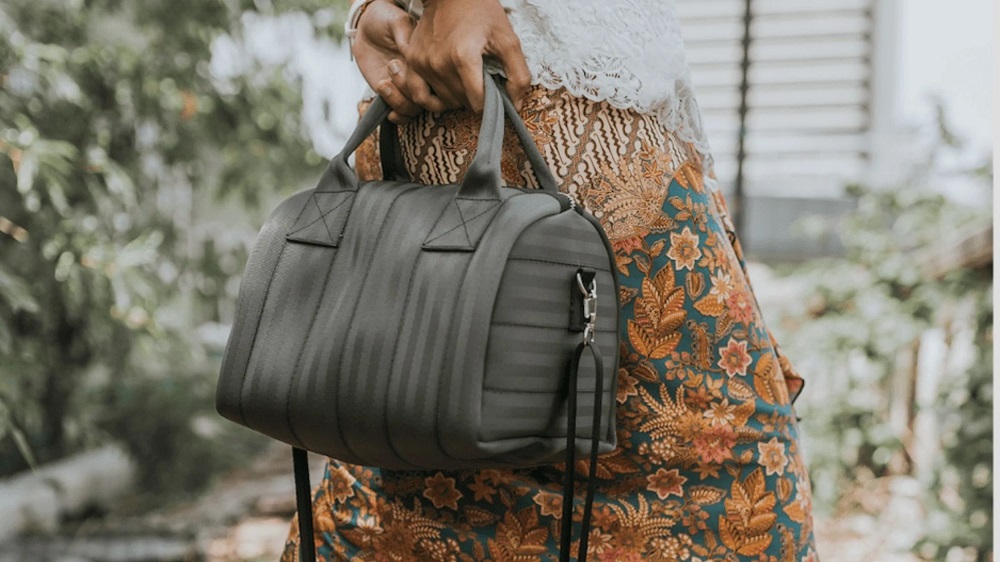
Bags made from vegan leather, cork, or upcycled fabrics
-
Belts and wallets using plant-based or reclaimed materials
-
Scarves and hats created from organic cotton or responsibly sourced wool
These options combine modern aesthetics with reduced environmental impact.
Ethical Fashion Without Compromising Style
Sustainable accessories are no longer limited to rustic or minimal designs. Today’s collections reflect contemporary trends while remaining environmentally mindful.
Style Benefits of Sustainable Accessories
-
Unique textures and handcrafted details
-
Neutral tones paired with bold, artistic accents
-
Designs that age gracefully instead of going out of trend
-
Versatility for both casual and formal wear
How to Choose Truly Sustainable Accessories
Not all products labeled “eco-friendly” meet genuine sustainability standards. Being informed helps make better choices.
Smart Buying Tips
-
Look for certifications or transparency in sourcing
-
Research brand values and production practices
-
Prioritize multi-purpose accessories
-
Avoid impulse purchases and focus on longevity
The Role of Accessories in Slow Fashion
Accessories play a critical role in slow fashion by extending the life of existing wardrobes. A single sustainable accessory can refresh multiple outfits without contributing to overconsumption.
How Accessories Support Slow Fashion
-
Reduce the need for frequent clothing replacements
-
Encourage thoughtful, intentional styling
-
Highlight craftsmanship and design quality
The Future of Sustainable Accessories
Innovation continues to drive the industry forward. From biodegradable materials to circular fashion models, sustainable accessories are setting new standards for the future of style.
Frequently Asked Questions (FAQs)
1. Are sustainable accessories more expensive?
They can cost more upfront, but their durability and quality often make them cost-effective long term.
2. How can I tell if an accessory is genuinely sustainable?
Check materials, certifications, brand transparency, and ethical sourcing information.
3. Can sustainable accessories be trendy?
Yes, many sustainable designs follow modern trends while remaining timeless.
4. What materials are commonly used in sustainable accessories?
Recycled metals, organic cotton, cork, vegan leather, and upcycled fabrics are common.
5. Do sustainable accessories require special care?
Care depends on the material, but proper storage and gentle cleaning extend lifespan.
6. Are handmade accessories more sustainable?
Often yes, as they typically involve small-scale production and less waste.
7. How do sustainable accessories help the environment?
They reduce waste, lower carbon footprints, and promote responsible resource use.



More Stories
How Accessories Instantly Transform Simple Outfits Into Stylish Looks
The most effective method to Accessorize Ladies Sandals
Women Handbag: Important for Every Woman