

Introduction
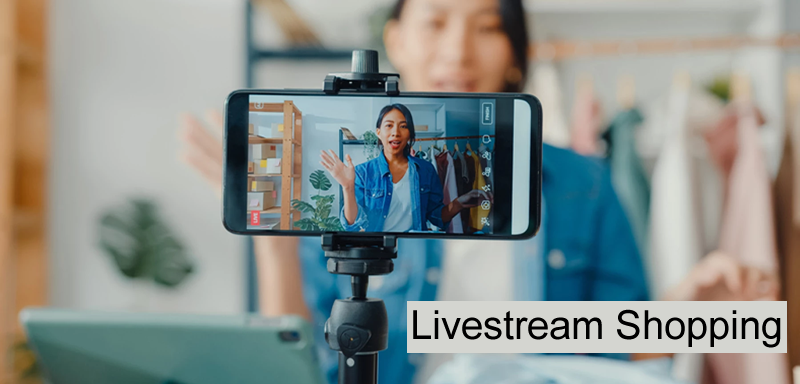
Livestream shopping has transformed online buying into an interactive, real-time experience that blends entertainment with commerce. What appears on screen as a seamless live video with instant purchases is actually powered by a complex system of technology, coordination, and strategy working quietly in the background.
Understanding how livestream shopping works behind the scenes reveals why this model has become one of the fastest-growing trends in digital retail and how brands successfully turn live content into measurable sales.
What Is Livestream Shopping?
Livestream shopping is a sales model where products are showcased and sold during a live video broadcast. Viewers can interact with hosts, ask questions, and purchase items instantly without leaving the stream.
Unlike traditional e-commerce, this format emphasizes real-time engagement, authenticity, and immediacy.
Pre-Livestream Planning and Setup
Product Selection and Inventory Sync
Before going live, brands carefully select products that perform well in a live format. Inventory systems are synchronized to ensure stock levels update in real time as orders are placed.
Key preparations include:
- Selecting high-demand or visually appealing products
- Setting real-time inventory limits
- Preloading product details into the platform
Host and Script Preparation
Hosts play a critical role in livestream success. While livestreams feel spontaneous, most are supported by a loose script and talking points.
Behind-the-scenes preparation often includes:
- Product demonstrations and key selling points
- Anticipated audience questions
- Timed promotions or flash discounts
The Technology Powering Livestream Shopping
Streaming Infrastructure
High-quality livestream shopping relies on low-latency streaming technology. This ensures minimal delay between the host’s actions and viewer interactions.
Core components include:
- Professional cameras and microphones
- Streaming software or cloud-based platforms
- Stable, high-bandwidth internet connections
Integrated E-Commerce Systems
Livestream platforms are tightly connected to e-commerce systems so viewers can purchase instantly.
These integrations handle:
- Product display overlays
- One-click checkout
- Secure payment processing
- Automatic order confirmation
Real-Time Interaction and Engagement
Live Chat Moderation
Behind the scenes, moderators manage live chat to keep conversations productive and safe. They highlight common questions for hosts and remove spam or inappropriate messages.
Moderation helps:
- Maintain a positive shopping environment
- Ensure customer questions are answered quickly
- Increase trust and credibility
Dynamic Promotions and Triggers
Many livestreams use real-time triggers to boost urgency. These may include countdown timers, limited stock alerts, or surprise discounts activated mid-stream.
This strategy:
- Encourages impulse buying
- Rewards active viewers
- Keeps engagement levels high throughout the broadcast
Checkout and Payment Processing
When viewers click “buy,” transactions happen instantly without disrupting the livestream. Secure payment gateways process purchases while inventory updates automatically.
Behind the scenes, systems ensure:
- Fraud detection and payment verification
- Tax and shipping calculations
- Seamless confirmation notifications
Order Fulfillment After the Stream
Backend Order Management
Once the livestream ends, orders flow directly into the fulfillment system. Warehouses receive real-time data, allowing them to begin packing and shipping immediately.
This process includes:
- Automated order sorting
- Shipping label generation
- Tracking number assignment
Customer Support and Follow-Up
Post-livestream engagement is just as important as the live event itself. Support teams handle inquiries related to orders, shipping, or product details.
Effective brands also:
- Send follow-up emails or messages
- Share replay links
- Offer exclusive deals to repeat viewers
Why Brands Invest in Livestream Shopping
Behind-the-scenes complexity is justified by strong results. Livestream shopping often delivers higher conversion rates than traditional product pages.
Key advantages include:
- Stronger emotional connection with customers
- Immediate feedback and interaction
- Reduced purchase hesitation
- Enhanced brand authenticity
Frequently Asked Questions (FAQs)
1. Do livestream shopping platforms require special hardware?
Basic setups can work with smartphones, but professional brands often use cameras, lighting, and audio equipment for higher-quality streams.
2. How do brands measure success in livestream shopping?
Metrics typically include conversion rates, average order value, viewer retention, and engagement levels during the stream.
3. Can small businesses use livestream shopping effectively?
Yes, smaller brands often benefit the most due to lower production costs and closer audience relationships.
4. What role do influencers play behind the scenes?
Influencers often collaborate on content planning, audience promotion, and product positioning before the livestream begins.
5. How is customer data handled during livestream shopping?
Customer data is processed through secure platforms that comply with privacy and payment regulations.
6. Are livestream shopping events recorded automatically?
Most platforms save recordings that can be reused for replays, marketing clips, or post-event sales.
7. How often should brands host livestream shopping events?
Frequency depends on audience demand, inventory availability, and content quality rather than a fixed schedule.



More Stories
How To Style A Shawl For Your Fashion Statement?
How Tobacco Harms the Body: Facts Everyone Should Know
The Shift from Generic to Bespoke: How Dubai’s Flower Trends Mirror Global Luxury Markets